
News
Finding Balance: Fitness and Fasting During Ramadan
17/02/2026 00:00, In Blog /
What is the month of Ramadan?
Ramadan is a sacred month in Islam during which all Muslims fast from sunrise to sunset. It is a time for them to think back on their lives and express gratitude for everything they have. It is a positive and inspiring month that not only helps them grow spiritually but also physically. This Ramadan, Muslims in Wales will fast for over twelve hours. This involves fasting from all food and liquids, including water. Now, the question is how to maintain a balance between exercise and fasting, what works best, and how to do it safely.
Fitness During Ramadan
During Ramadan, changes to eating, hydration, and sleep can affect energy levels throughout the day. Because of this, exercising as normal can feel more difficult while fasting. Many people choose to adjust their routines by reducing intensity or shortening workouts. Others focus on when they exercise, often opting to work out closer to iftar or after breaking their fast, when the body can rehydrate and refuel. Overall, fitness during Ramadan is about balance. Listening to the body and moving in a safe and manageable way helps people stay active without overexerting themselves during the fasting period.
What Foods Are Best to Fuel Fitness During Ramadan?
After breaking the fast, it is recommended to begin by drinking fluids to rehydrate the body. Rehydrating gradually is important, as eating too quickly after fasting can lead to feelings of tiredness or discomfort. Foods that are low in fat and high in fluid content, such as fruits, vegetables, yoghurt, and soups, are ideal choices. These foods help replenish the fluids lost during the 12 hours of fasting and support digestion and energy levels.
Before starting the fast, during suhoor, it is recommended to choose foods that support sustained energy and hydration throughout the day. Salty foods should be avoided, as salt can increase thirst during fasting hours. Instead, balanced meals with complex carbohydrates, protein, and hydrating foods can help maintain energy levels and support fitness during Ramadan.
Q&A
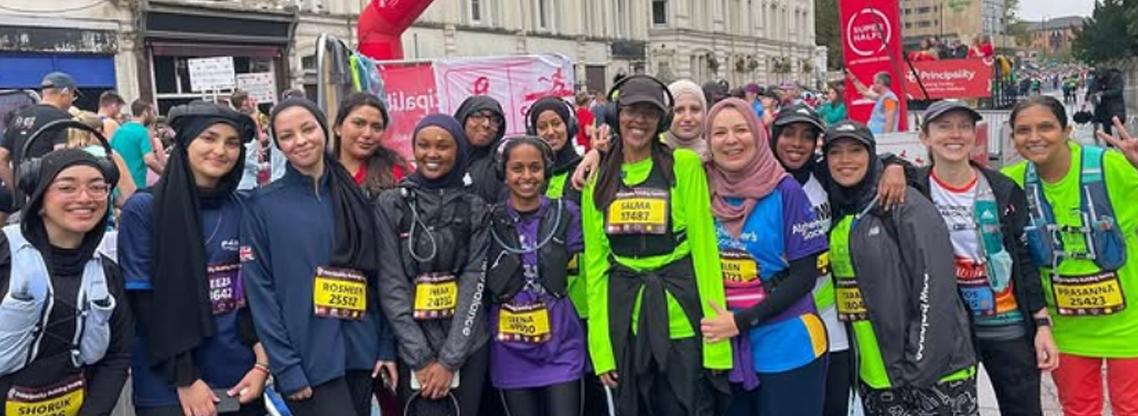
To gain a practical perspective on fitness during Ramadan, we spoke with members of Mwslima Run Club, a community that supports Muslim women of all abilities in staying active.
When it comes to timing workouts, there is no single approach that suits everyone. Many runners shared that exercising after iftar feels most manageable, as the body has had time to rehydrate and refuel. Others prefer running shortly before breaking their fast, particularly when evenings are busy with prayer and family commitments.
For those fasting for the first time, the advice was to adjust expectations and avoid intense training. While running during fasting hours is possible, it may increase fatigue and slow recovery. Shorter, lower-intensity sessions after eating were often recommended instead.
Overall, runners emphasised the importance of listening to their bodies and staying flexible throughout the month. Ramadan was repeatedly described as a time for reflection and spiritual growth, where rest and balance are just as important as staying active.